

The Power of Probiotics and Prebiotics in Supporting Your Digestive System
Introduction
By now, most of us have heard the terms "probiotics" and "prebiotics" tossed around but might be wondering what they actually do? They are often brought up in reference to keeping your digestive system healthy, but many people aren’t sure exactly how they work or why they matter. In fact, because the term has been thrown around rather loosely, criteria were developed to define exactly what a probiotic truly is.
In this blog, we’ll break down the basics of probiotics and prebiotics, how they support your gut, and how you can easily add them to your diet. Whether you’re struggling with digestion issues or just want to improve your overall gut health, this information can help.
What Are Probiotics and Prebiotics?
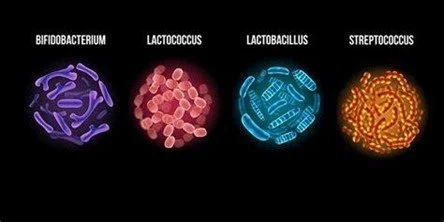
First, let’s define the terms.
The World Health Organization defines probiotics as “Live microorganisms which when administered in adequate amounts confer a health benefit on the host” (Reid et al., 2019).
In other words, probiotics are live bacteria and yeasts that are good for your health, especially your digestive system. You may have heard of probiotics as “good” or “friendly” bacteria because they help balance the bacteria in your gut.
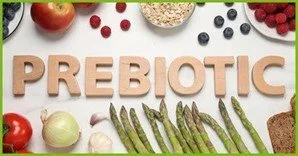
Prebiotics were later defined as “a substrate that is selectively utilized by host microorganisms conferring a health benefit” (Davani-Davari et al., 2019). Translated, prebiotics are types of fiber found in certain foods that your body can’t digest. They function as food for the beneficial bacteria in your gut, helping them thrive and multiply.
In short: probiotics are the “good” bacteria that help keep things in balance, while prebiotics nourish those bacteria so they can do their job effectively.
The Role of Probiotics in Digestion
Your digestive system is home to trillions of bacteria, both good and bad. When this balance gets disrupted, whether from stress, poor diet, or medications, it can lead to digestive issues like bloating, constipation, and even more serious conditions. This is where probiotics come in.
How Probiotics Support Digestion
Restoring balance: They add to the population of healthy bacteria in your gut, which helps crowd out the harmful bacteria.
Improving nutrient absorption: Healthy gut bacteria help break down food more efficiently, allowing your body to absorb more nutrients from the foods you eat. They can also help with food allergies.
Boosting immunity: A significant portion of your immune system is in your gut, and probiotics can help support immune function.
Aiding in digestion: They can also help with the digestion of lactose (the sugar in milk), which many people find hard to digest.
How Prebiotics Support Digestion
Feeding the Good Bacteria: Prebiotics function as "food" for the good bacteria in your gut, allowing them to grow and multiply, maintaining a healthy balance of gut microbes.
Promoting Healthy Bowel Movements: Prebiotics are a type of fiber that helps to regulate bowel movements. They add bulk to your stool and encourage regularity, which can be helpful for those struggling with constipation.
Reducing Inflammation: Prebiotics can help reduce gut inflammation by promoting the growth of anti-inflammatory bacteria. This can be particularly helpful if you’re dealing with digestive issues like bloating or discomfort caused by an inflamed gut.
Improving Gut Motility and Reducing Gas: Prebiotics can also improve the movement of food through your digestive system which helps reduce symptoms like bloating and discomfort.
Scientific Benefits
Two of the most well studied and frequently used strains of probiotics include Bifidobacterium and Lactobacillus. These strains can significantly affect health by their ability to get rid of harmful chemicals and pollutants from the environment, break down toxins that might be found in food, and produce important vitamins like K, riboflavin, and folate.
In addition to gut health, both probiotics and prebiotics support your immune system, contribute to mental well-being, and even help with weight management. Other benefits may include the prevention of Crohn's disease, cardiovascular and urogenital infections, cancer, lactose intolerance, cystic fibrosis, dental caries, and oral diseases. Probiotics may also be beneficial in treating inflammation.
How to Incorporate Probiotics and Prebiotics into Your Diet
The good news is that adding probiotics and prebiotics to your diet is pretty simple! Here are some foods that are rich in these essential nutrients:
Probiotics
Yogurt (look for "live and active cultures" on the label)
Kefir (a fermented milk drink)
Sauerkraut and kimchi (fermented vegetables)
Miso (fermented soybean paste)
Pickles (make sure they are naturally fermented) and
Kombucha (fermented tea drink)
Prebiotics
Garlic
Onions
Bananas
Oats
Asparagus
Leeks
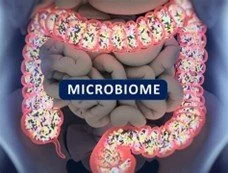
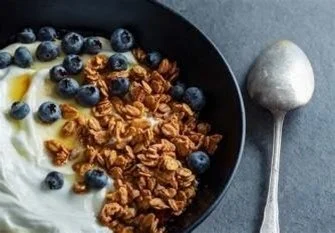
Incorporating both into your daily meals can help balance your gut microbiome and support digestion. You can enjoy a bowl of yogurt with bananas and oats for breakfast or add some garlic and onions to your dinner for a prebiotic boost!
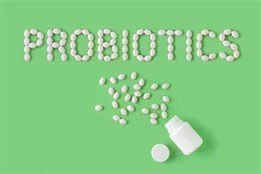
If you're not sure where to start, consider trying probiotic supplements. Research shows that the approximate consumption of 109 colony-forming unit (CFU)/day is an effective dose. However, it’s always best to consult with a healthcare professional before adding supplements to your routine.
Conclusion
Incorporating probiotics and prebiotics into your diet is a simple and effective way to support your digestive system and improve your overall health. Whether through food or supplements, maintaining a balance of beneficial bacteria in your gut can make a world of difference.
References:
Bodke, H., & Jogdand, S. (2022). Role of Probiotics in Human Health. Cureus, 14(11). https://doi.org/10.7759/cureus.31313
Davani-Davari, D., Negahdaripour, M., Karimzadeh, I., Seifan, M., Mohkam, M., Masoumi, S. J., Berenjian, A., & Ghasemi, Y. (2019). Prebiotics: Definition, Types, Sources, Mechanisms, and Clinical Applications. Foods (Basel, Switzerland), 8(3), 92. https://doi.org/10.3390/foods8030092
George Kerry, R., Patra, J. K., Gouda, S., Park, Y., Shin, H.-S., & Das, G. (2018). Benefaction of probiotics for human health: A review. Journal of Food and Drug Analysis, 26(3), 927–939. https://doi.org/10.1016/j.jfda.2018.01.002
Latif, A., Aamir Shehzad, Niazi, S., Zahid, A., Ashraf, W., Muhammad Waheed Iqbal, Rehman, A., Riaz, T., Rana Muhammad Aadil, Khan, I., Fatih Özogul, João Miguel Rocha, Tuba Esatbeyoglu, & Korma, S. A. (2023). Probiotics: mechanism of action, health benefits and their application in food industries. Frontiers in Microbiology, 14. https://doi.org/10.3389/fmicb.2023.1216674
Quigley, E. M. M. (2019). Prebiotics and Probiotics in Digestive Health. Clinical Gastroenterology and Hepatology, 17(2), 333–344. https://doi.org/10.1016/j.cgh.2018.09.028
Reid, G., Gadir, A. A., & Dhir, R. (2019). Probiotics: Reiterating What They Are and What They Are Not. Frontiers in Microbiology, 10(424). https://doi.org/10.3389/fmicb.2019.00424
Selvaraj, S., & Gurumurthy, K. (2022). An overview of probiotic health booster-kombucha tea. Chinese Herbal Medicine, 15(1). https://doi.org/10.1016/j.chmed.2022.06.010
