

The Gift of Strawberries: Simple Ways to Care for the Earth
Have you ever picked a wild strawberry - small, sweet, and full of sunshine? In her beautiful book Braiding Sweetgrass, Robin Wall Kimmerer tells a story about picking strawberries as a child. But the story isn’t just about fruit, it’s about gratitude. She reminds us that nature gives us gifts, like strawberries, without asking for anything in return. And when we see nature this way, not as something to take from, but as something to care for, everything changes.
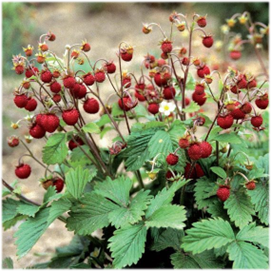
This wise way of thinking lines up with what scientists are saying too. A recent study published in The Lancet Planetary Health highlights how our health depends on the Earth’s health. Clean water, fresh air, good food, and even mental well-being all come from a healthy planet. But right now, the Earth is hurting, from pollution, overuse, and climate change. It’s time for all of us to give back.
What Can We Learn from Strawberries?
Kimmerer explains that gifts like wild strawberries aren’t something you buy, they're something you receive with care. And when we receive a gift, we naturally want to give something back. That idea, giving and receiving with gratitude, is at the heart of how we can help the Earth heal.
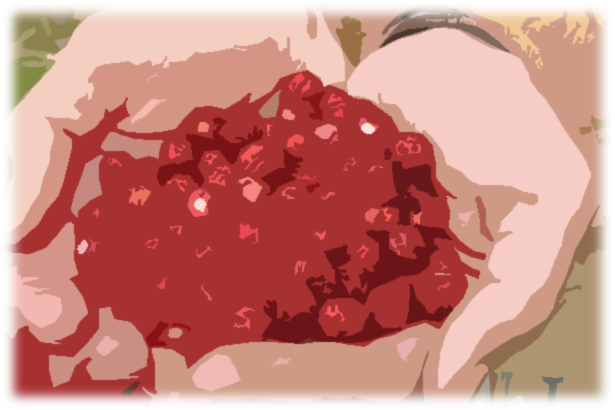
This kind of relationship with nature is something Indigenous cultures have practiced for generations. It involves living in balance and reciprocity. It’s about taking only what we need, not wasting, and always giving something back, such as our time, care, or effort.
Why Children Need a Healthy Earth
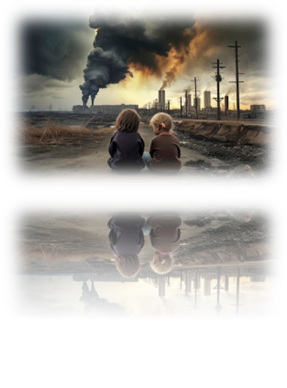
Children are especially vulnerable to environmental harm. The Lancet study points out that climate change is increasing health risks for kids, including respiratory problems, heat-related illnesses, and malnutrition. These effects are most severe in low-income countries, but no child is immune. The study emphasizes the importance of educating children about the environment to help them become resilient and responsible adults.
Small Ways to Give Back to the Earth
You don’t have to be a scientist or activist to make a difference. Here are a few simple, Earth-friendly habits that anyone can start:



Say thank you to the Earth. Sounds simple, but noticing and appreciating what nature gives you, fresh air, shade from a tree, or food on your plate, can change how you treat it.
Use less, waste less. Choose reusable bags and bottles. Fix things instead of throwing them out. Eat more plant-based meals when you can. Every small action adds up.
Buy with care. Support local farmers and businesses that care about the planet. Try to avoid fast fashion and single-use plastics.
Spend time outside. Get to know the plants, animals, and weather where you live. When we feel connected to a place, we naturally want to protect it.
Join a local project. Whether it’s a cleanup day, a community garden, or a tree-planting event, helping out close to home really matters.
Listen to Indigenous voices. Indigenous communities have deep knowledge about living with the land. Supporting their efforts and learning from their wisdom helps everyone.
Changing How We See the World
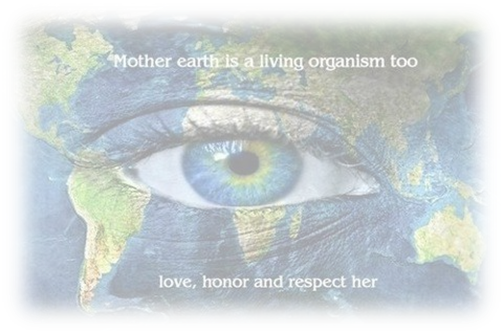
In today’s world, we’re so used to buying things and thinking about what we get. But Kimmerer invites us to think in a different way; a way where giving is just as important as receiving. What if we treated the Earth like that?
Philosopher Theodor Adorno would likely agree. In fact, his idea of negative dialectics, thinking deeply through contradiction, asks us to face the painful realities of our current ecological crisis. Rather than escape the discomfort, Adorno believed that confronting the damage can open up space for new and more caring ways of living. For example, as powerful industries invest in risky geo-engineering technologies to artificially stabilize the climate without changing the systems that caused the harm, many people are beginning to question whether growth-at-all-costs is worth the price.
Final Thoughts
These contradictions can spark a different kind of hope, not naive optimism, but what some call educated hope. It’s the hope that comes from clarity, from realizing that we need to slow down, care more, and reimagine how we live with the Earth.
References:
Fletcher, C., Ripple, W. J., Newsome, T., Barnard, P., Beamer, K., Behl, A., Bowen, J., Cooney, M., Crist, E., Field, C., Hiser, K., Karl, D. M., King, D. A., Mann, M. E., McGregor, D. P., Mora, C., Oreskes, N., & Wilson, M. (2024). Earth at risk: An urgent call to end the age of destruction and forge a just and sustainable future. PNAS Nexus, 3(4). https://doi.org/10.1093/pnasnexus/pgae106
Kimmerer, R. W. (2013). Braiding Sweetgrass. In Braiding Sweetgrass: Indigenous Wisdom, Scientific Knowledge and the Teachings of Plants. Milkweed Editions.
Mohamed, M., Amin, S., Lever, E., Montini, A., Machida, K., Rajagopalan, S., Costello, A., McGushin, A., Jennings, B., Benoit, L., Saville, N., Walshe, N., Dalglish, S. L., Ayeb-Karlsson, S., Sterlini, S., & Prost, A. (2025). Climate change and child wellbeing: a systematic evidence and gap map on impacts, mitigation, and adaptation. The Lancet Planetary Health, 9(4), e337–e346. https://doi.org/10.1016/s2542-5196(25)00061-0
Shivanna K. R. (2022). Climate change and its impact on biodiversity and human welfare. Proceedings of the Indian National Science Academy. Part A, Physical Sciences, 88(2), 160–171. https://doi.org/10.1007/s43538-022-00073-6
Skillington, T. (2024). A negative dialectics of climate change destruction: Reflecting on climate futures with Adorno. Irish Journal of Sociology. https://doi.org/10.1177/07916035241257990
