

What’s Good for the Land Is Also Good for the People
Reconnecting with the Land
In her deeply reflective work Braiding Sweetgrass, Robin Wall Kimmerer reminds us that our relationship with the earth should be one of respect, gratitude, and reciprocity. In the chapters "The Honorable Harvest" and "What We Can Give," Kimmerer emphasizes that the natural world provides for us generously, but not without limits. The Honorable Harvest is not merely a set of guidelines for sustainable foraging; it is a mindset, a moral framework for how we interact with the land. As she beautifully states, "What’s good for the land is also good for the people."
The Cost of Convenience
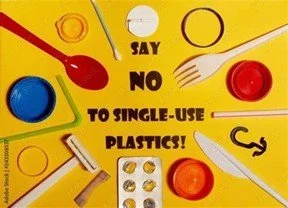
This idea is especially relevant today as we grapple with the consequences of overconsumption and environmental neglect. The widespread use of single-use plastics and the prevalence of chemical endocrine disruptors in everyday products exemplify a deep disregard for this principle of reciprocity. These substances not only pollute our waterways and soils but also interfere with human health, contributing to a range of disorders and chronic conditions.
Understanding the Threat of Endocrine Disruptors
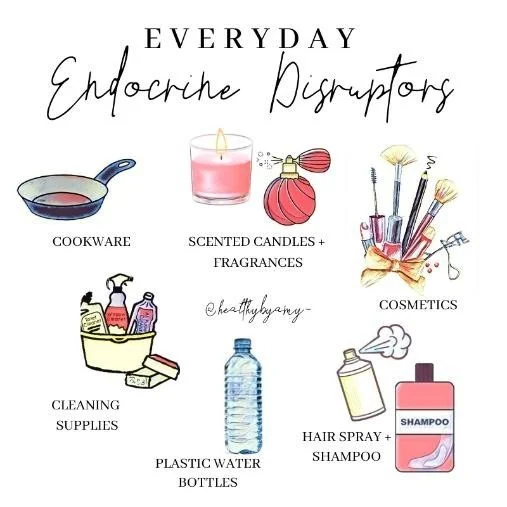
Chemical endocrine disruptors are substances found in many plastics, personal care items, pesticides, and household goods. These chemicals interfere with hormone systems, mimicking or blocking natural hormones in the body, which can lead to reproductive problems, developmental delays, and increased risk of cancers and metabolic disorders. Common disruptors include parabens, phthalates, bisphenol A (BPA), and certain pesticides.
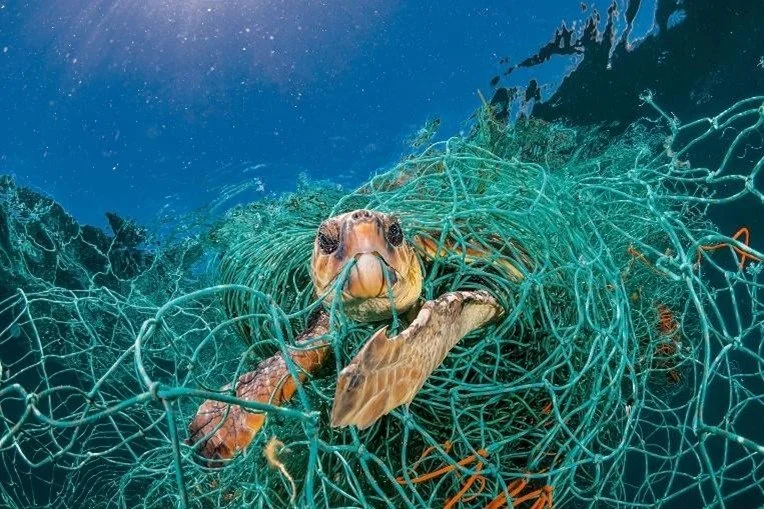
Their danger isn't limited to people. When these chemicals enter the environment, through waste, runoff, or product breakdown, they contaminate ecosystems, disrupt animal reproductive systems, and accumulate in the food chain. As the evidence shows (Ahmad et al., 2024; Błędzka et al., 2014; Kahn et al., 2020), endocrine disruptors pose a widespread threat to biodiversity and human well-being.
Choosing to Give Back
Kimmerer invites us to reconsider our role as consumers. What if, instead of taking as much as we want, we asked, "What can I give in return?" Choosing to reduce or eliminate our use of harmful products is one powerful answer. By rejecting single-use plastics and opting for reusable, biodegradable alternatives, we acknowledge the generosity of the earth and respond with gratitude and responsibility. By supporting businesses that prioritize sustainable practices, we participate in a system of mutual benefit, what's good for the earth becomes good for us.
Sustainable Alternatives: Brands That Reflect Reciprocity
If you're ready to align your everyday choices with the values of the Honorable Harvest, here are some mindful brands that are making a difference:
Little Seed Farm – Offers organic, cruelty-free skincare products powered by solar energy and packaged sustainably.
Annmarie Gianni Skincare – Focuses on wildcrafted, non-toxic beauty products that prioritize purity, transparency, and environmental integrity.
Dr. Bronner's – Known for its biodegradable soaps, ethical sourcing, and 100% postconsumer recycled plastic packaging, with deep commitments to regenerative agriculture and social justice.
PlanetBox – Provides durable, stainless-steel lunchboxes designed to reduce single-use plastic waste. Their bento-style containers are dishwasher-safe and built to last, making them an eco-friendly choice for daily meals.
Supporting companies like these allows consumers to give back to the earth by investing in cleaner, more thoughtful practices that support long-term planetary and human health.
Every Action Counts
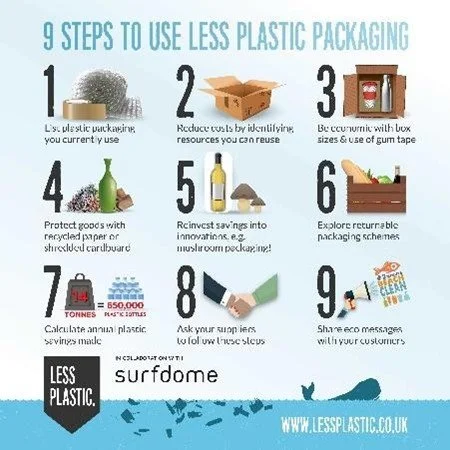
As individuals, we may feel small in the face of global challenges, but our collective choices wield great power. Every purchase is a vote, not just for a product, but for a set of values. By choosing products free of endocrine disrupting chemicals and reducing plastic waste, we honor the land that sustains us. We practice reciprocity not with words, but with actions.
References
Ahmad, M. F., Ahmad, F. A., Alsayegh, A. A., Zeyaullah, M., AlShahrani, A. M., Muzammil, K., Saati, A. A., Wahab, S., Elbendary, E. Y., Kambal, N., Abdelrahman, M. H., & Hussain, S. (2024). Pesticides impacts on human health and the environment with their mechanisms of action and possible countermeasures. Heliyon, 10(7), e29128–e29128. https://doi.org/10.1016/j.heliyon.2024.e29128
Błędzka, D., Gromadzińska, J., & Wąsowicz, W. (2014). Parabens. From environmental studies to human health. Environment International, 67, 27–42. https://doi.org/10.1016/j.envint.2014.02.007
Del Río Barrera, T., Zambrano Ledesma, K. N., Aguilar Hernández, M., Reyes Chávez, K., Aguirre Barajas, A. F., Alvarez Vázquez, D. P., Garcia Santiago, G., & Arias Castro, A. (2025). Endocrine Disruptors and Their Impact on Quality of Life: A Literature Review. Cureus, 17(5), e83890. https://doi.org/10.7759/cureus.83890
Guarnotta, V., Amodei, R., Frasca, F., Aversa, A., & Giordano, C. (2022). Impact of Chemical Endocrine Disruptors and Hormone Modulators on the Endocrine System. International journal of molecular sciences, 23(10), 5710. https://doi.org/10.3390/ijms23105710
Kahn, L. G., Philippat, C., Nakayama, S. F., Slama, R., & Trasande, L. (2020). Endocrine-disrupting chemicals: implications for human health. The Lancet Diabetes & Endocrinology, 8(8), 703–718. https://doi.org/10.1016/S2213-8587(20)30129-7
Kimmerer, R. W. (2013). Braiding Sweetgrass. In Braiding Sweetgrass: Indigenous Wisdom, Scientific Knowledge and the Teachings of Plants. Milkweed Editions.
Vom Saal, F. S., & Vandenberg, L. N. (2021). Update on the Health Effects of Bisphenol A: Overwhelming Evidence of Harm. Endocrinology, 162(3), bqaa171. https://doi.org/10.1210/endocr/bqaa171
Wang, Y., & Qian, H. (2021). Phthalates and Their Impacts on Human Health. Healthcare (Basel, Switzerland), 9(5), 603. https://doi.org/10.3390/healthcare9050603
