

Reweaving our relationship with the earth
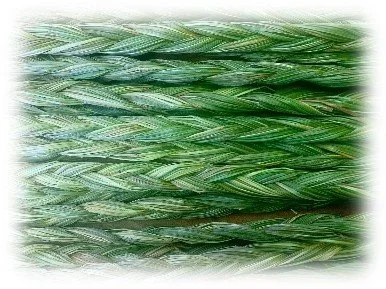
In a time of climate disruption, biodiversity loss, and growing ecological despair, many of us ask: What can I do? But Robin Wall Kimmerer, through her insightful book Braiding Sweetgrass, offers a deeper question: Who are we in relation to the Earth?
This blog explores how four of her chapters, The Sacred and the Superfund, People of Corn, People of Light, Skitigan: People of the Seventh Fire, and The Disease of Our Time, illuminate a path toward planetary healing, one rooted not just in action, but in relationship. Paired with emerging climate research, these stories form a bridge between Indigenous wisdom and scientific insight.
The Disease of Our Time: Disconnection from the Earth
Kimmerer writes that the true illness of our era is disconnection, from land, from each other, and from the wisdom of more reciprocal ways of living. Western culture often treats the Earth as a storehouse rather than a relative, resulting in ecological harm and spiritual emptiness.
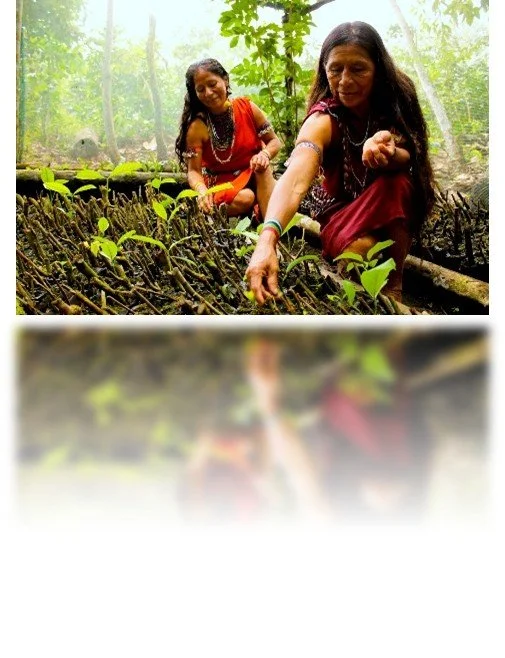
This resonates with recent research showing that fostering deep, multidimensional connections to nature leads not only to improved well-being, but also to sustained environmental care. Disconnection is not just a feeling; it’s a risk factor for planetary decline.
The Sacred and the Superfund: Healing Wounded Land
In this chapter, Kimmerer visits Onondaga Lake, a sacred body of water now heavily polluted. She asks: Can a place still be sacred if it is desecrated? Her answer: yes, if we re-enter into a relationship of reverence and responsibility.
This reflects a larger truth from environmental literature: meaningful ecological restoration requires cultural healing as well. When people feel a sense of kinship with land, they are more likely to protect and restore it, not out of obligation, but out of love.
People of Corn, People of Light: Two Ways of Knowing
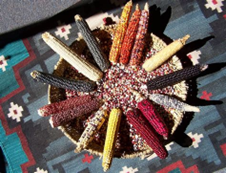
Kimmerer contrasts the Mayan story of humans being made of corn with the scientific understanding that we are literally made of sunlight, through photosynthesis and plant life. Both are true. One speaks to sacred relationship, the other to energetic connection.
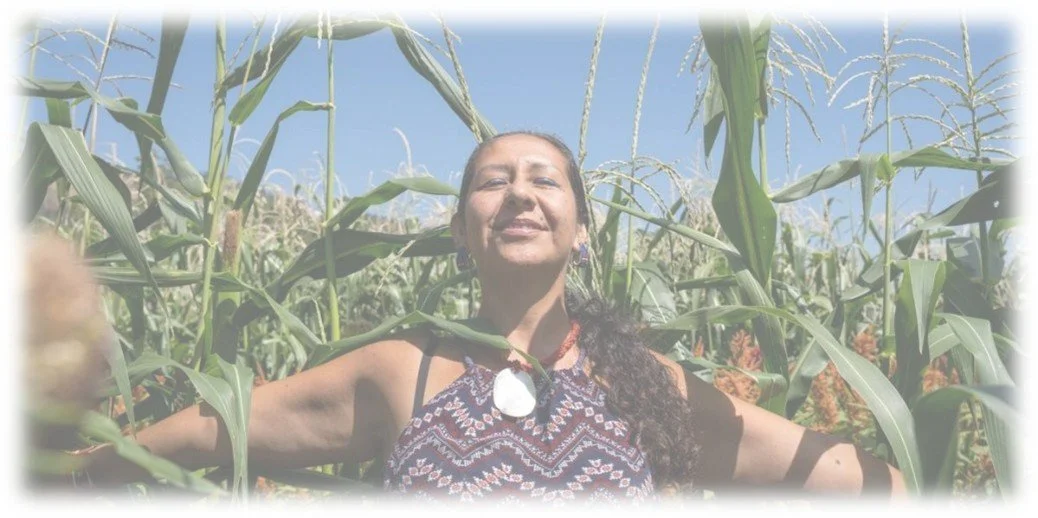
Reconnection with nature isn’t just spiritual; it’s biochemical. As one article points out, sustainable futures rely on this realization: that humans are not above or separate from nature, we are of it.
Skitigan: People of the Seventh Fire
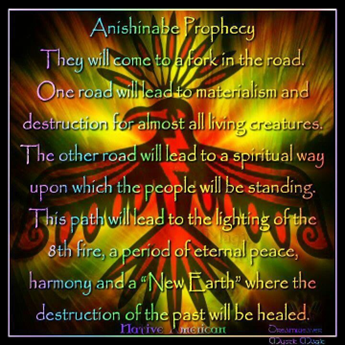
According to Anishinaabe prophecy, we are living in the time of the Seventh Fire, a moment of choice. Will we continue on a path of destruction, or return to ways of respect, balance, and care?
Encouragingly, we see “green shoots” of transformation emerging. Studies highlight how movements for environmental justice, plant-based diets, zero-waste economies, and youth climate activism reflect a profound shift in values, one that sees humans not as masters of the Earth, but as kin.
What Science Says About Reconnection
Three recent studies echo what Indigenous wisdom has always known:
Nature Connection Boosts Well-being & Stewardship: A 2024 study found that deep, mindful time in nature, like the “Earthfulness” approach, enhances personal wellness and environmental action.
Civilization Needs a Value Shift: One article argues that sustainability goals will remain out of reach unless we reframe our relationship with nature, rejecting overconsumption and embracing interdependence.
Evidence-Based Reconnection: A third study emphasizes the need to define specific, measurable forms of nature connection, to move from aspiration to grounded, research-informed change.
Walking the Path of Kinship and Care
1. Practice Earthfulness
Spend quiet, undistracted time outdoors. Feel the air, notice the sounds, and listen. Mindful presence in nature strengthens emotional and ecological resilience.
2. Learn Whose Land You Live On
Visit native-land.ca to discover the Indigenous nations of your region. Learn about their history, cultures, and ongoing stewardship.
3. Support Indigenous-Led Climate Solutions
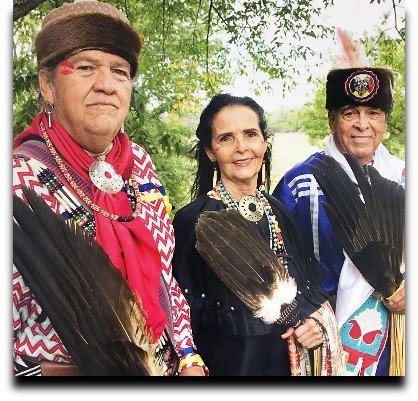
Donate to or volunteer with organizations like Nia Tero, Indigenous Climate Action, or the Land Back movement.
4. Be a Firekeeper of the Seventh Fire
Share stories. Stand up for justice. Choose connection over consumption. The change begins in your community, at your table, in your daily choices.
A New Old Way Forward
The Earth doesn’t just need us to act. It needs us to remember who we are, where we come from, and how to live in good relationship. By braiding Indigenous knowledge with scientific understanding, and by choosing reverence over dominance, we begin to restore not only ecosystems, but ourselves.
References
Horton, Peter, and Benjamin P. Horton. “Re-Defining Sustainability: Living in Harmony with Life on Earth.” One Earth, vol. 1, no. 1, 20 Sept. 2019, pp. 86–94, www.sciencedirect.com/science/article/pii/S2590332219300259, https://doi.org/10.1016/j.oneear.2019.08.019. Accessed 28 Nov. 2020
Ives, C. D., Abson, D. J., von Wehrden, H., Dorninger, C., Klaniecki, K., & Fischer, J. (2018). Reconnecting with nature for sustainability. Sustainability science, 13(5), 1389–1397. https://doi.org/10.1007/s11625-018-0542-9
Kimmerer, Robin Wall. Braiding Sweetgrass. Braiding Sweetgrass: Indigenous Wisdom, Scientific Knowledge and the Teachings of Plants, Minneapolis, Minnesota, Milkweed Editions, 2013.
van Heel, B. F., van den Born, R. J. G., & Aarts, N. (2024). A Multidimensional Approach to Strengthening Connectedness with Nature in Everyday Life: Evaluating the Earthfulness Challenge. Sustainability, 16(3), 1119. https://doi.org/10.3390/su16031119
