

Looking for a way to boost your immune health naturally? Check out the naturally occurring polysaccharide known as D-Beta Glucans. In this blog, we’ll explore what D-Beta Glucans are, natural sources of them, what they can do for your immune system, and what conditions they may be beneficial for.
You may be wondering what D-Beta
Glucans even means. I did too, at first. So, what actually are D-Beta Glucans? They are polysaccharides, which is a type of dietary fiber found in plants. The “D” refers to their unique structure which greatly influences biological activity.
These compounds are indeed natural and can be found in the cell walls of certain microorganisms, fungi, yeasts, and plants such as oats and barley, as well as algae. However, the most bioactive D-beta glucans are derived from yeast and edible fungi like Reishi, Shiitake, and Maitake mushrooms.

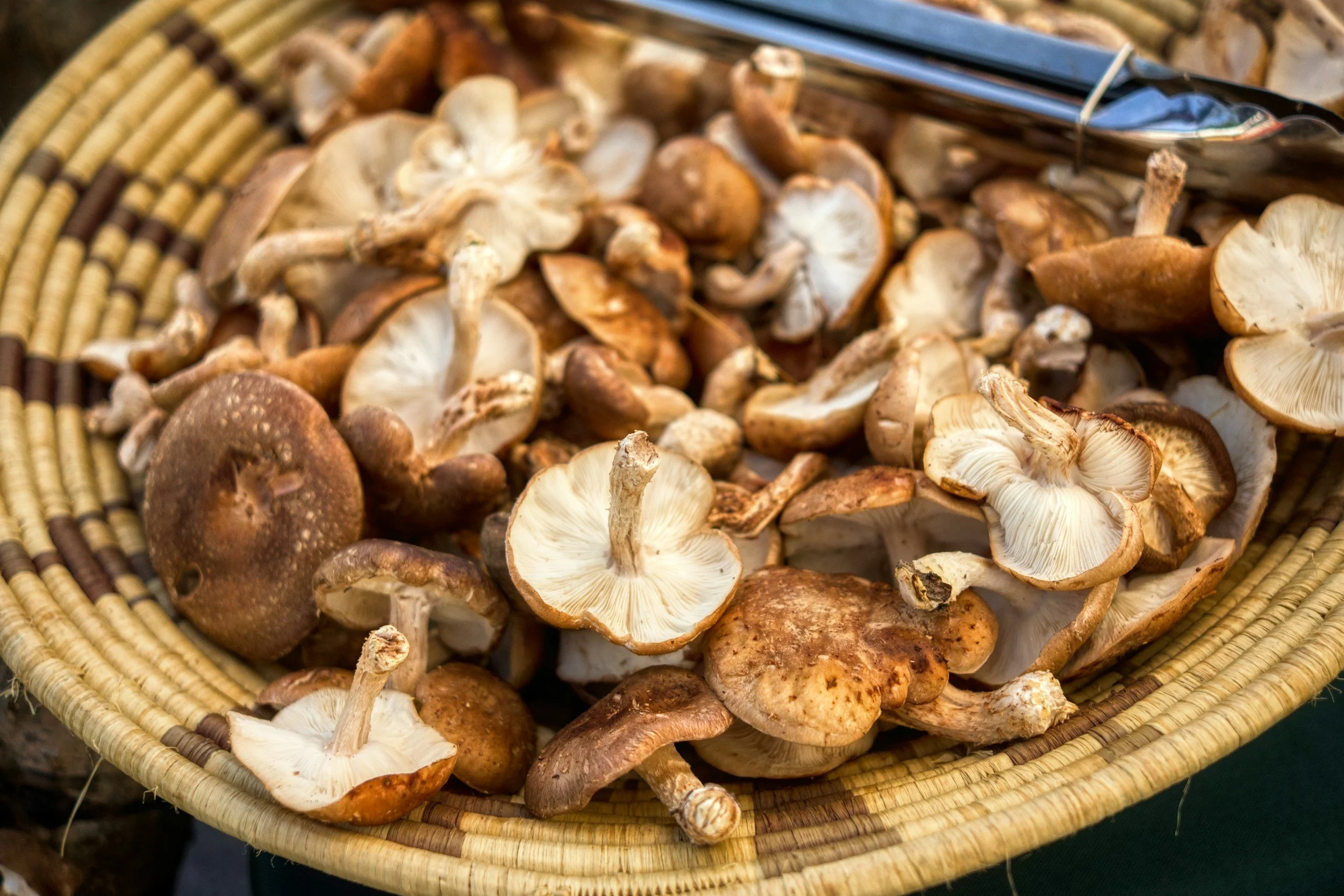
These compounds are indeed natural and can be found in the cell walls of certain microorganisms, fungi, yeasts, and plants such as oats and barley, as well as algae. However, the most bioactive D-beta glucans are derived from yeast and edible fungi like Reishi, Shiitake, and Maitake mushrooms.
Ok, so now that we understand what they are and where they come from, why do they matter? D-Beta Glucans are a powerhouse to the immune system capable of:
• Functioning as a biological response modifier
• Exerting regulatory effects on inflammation
• Potential to interfere with processes involved in the development and control of cancer
What this means is that D-beta glucans has the ability to modulate the immune system. When consumed, they bind to specific receptors on immune cells, such as macrophages, neutrophils, and natural killer (NK) cells, triggering an immune response.
Mechanisms of Action:
1. Immune Activation: D-beta glucans stimulate the production of cytokines, which are signaling molecules that help regulate the immune response.
2. Pathogen Defense: They enhance the ability of immune cells to identify and destroy pathogens, including bacteria, viruses, and fungi.
3. Anti-Inflammatory Effects: D-beta glucans can help balance
inflammatory responses, making them valuable in managing chronic inflammation which is often associated with cancer.
Health Benefits of D-Beta Glucans
1. Immune Support
The primary benefit of D-beta glucans is their immune-boosting properties. They are often used as supplements to strengthen the body's natural defenses, especially during cold and flu season or in individuals with weakened immunity.
2. Anti-Cancer Potential
Research suggests that D-beta glucans may help in the fight against cancer by enhancing the activity of NK cells and macrophages, which play a critical role in identifying and destroying cancer cells. Some studies also indicate they may enhance the efficacy of chemotherapy and radiation therapy. Think of them as adjuvants in antitumor therapies and cancer preventatives.
3. Cardiovascular Health
D-beta glucans can help reduce cholesterol levels by binding to cholesterol molecules in the gut, preventing their absorption. This contributes to improved heart health and reduced risk of cardiovascular diseases.
4. Blood Sugar Regulation
They slow down the absorption of glucose in the digestive tract, helping to regulate blood sugar levels and reduce insulin resistance.
5. Gut Health
By promoting the growth of beneficial gut bacteria, D-beta glucans contribute to a healthy microbiome, which is essential for overall well-being.
Additional effects include metabolic and anti-obesity activities, anti-osteoporotic, anti-allergic,antiaging, and promotion of hematopoiesis.

Mushrooms: Shiitake, Maitake, Reishi, and Cordyceps are rich in bioactive D-beta glucans.
2. Yeast: Baker’s yeast and brewer’s yeast are excellent sources.
3. Oats and Barley: While these contain beta-glucans, they are not D-beta glucans specifically but still offer significant health benefits.
4. Seaweeds: Brown seaweed species contain a special beta-glucan called laminaran which is estimated to contain over 50% beta-glucan by weight.
Note that different sources seem to have different effects. For example, beta glucans from edible mushrooms have antitumor and immune boosting activity whereas those found in cereals are more effective at lowering cholesterol and blood sugars.
Additionally, D-beta glucans are available in supplement form, making it easy to get concentrated doses of this powerful compound. While there is no agreed upon dosage, over 3 grams of Beta Glucans have been shown to lower cholesterol while higher amounts begin to curb hunger.
Who Should Use D-Beta Glucans?
D-beta glucans are suitable for individuals looking to:
Boost their immune system
• Improve cardiovascular and gut health
• Manage chronic inflammation or autoimmune conditions
• Enhance their body's natural defenses against infections and diseases
Potential Side Effects and Precautions:
While D-beta glucans are generally considered safe, some individuals may experience mild side effects, such as bloating or digestive discomfort, especially when first starting supplementation. Always consult with a healthcare provider before adding any new supplement to your routine, particularly if you have an autoimmune condition or are on immunosuppressive therapy.
Conclusion
D-beta glucans are a remarkable natural compound with a wide range of health benefits, from immune support to cancer defense. Whether through diet or supplementation, incorporating D-beta glucans into your daily routine could be a game-changer for your health. As research continues to uncover their potential, D-beta glucans are likely to remain a staple in the world of natural health and wellness.
Sources:
https://pmc.ncbi.nlm.nih.gov/articles/PMC7016572/
https://pmc.ncbi.nlm.nih.gov/articles/PMC5618555/
https://www.sciencedirect.com/science/article/abs/pii/S1359511324003088
https://draxe.com/nutrition/beta-glucan/ https://foodrevolution.org/blog/beta-glucan-benefits/
