

Glutathione: The Master Antioxidant for Liver Health
When it comes to keeping our liver healthy, many of us focus on what we eat or how much we drink, but there’s another crucial factor often overlooked: glutathione. This antioxidant plays a vital role in protecting the liver from damage and ensuring it performs its detoxifying duties effectively. In this blog, we’ll explore what glutathione is, why it’s so important, and how it supports liver health.
What is Glutathione?
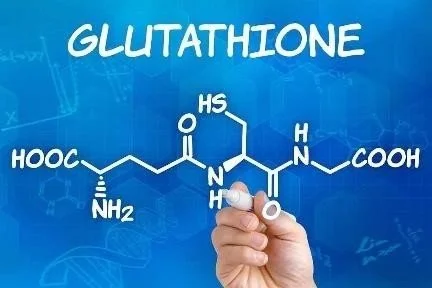
Glutathione is a small molecule made up of three amino acids: glutamine, cysteine, and glycine. It’s often referred to as the "master antioxidant" because it helps neutralize harmful free radicals in the body, protecting cells and tissues from oxidative stress. Glutathione is naturally produced in the body, particularly in the liver, and is essential for many functions, including detoxification, immune system support, and maintaining the health of various organs.
The Liver’s Role in Detoxification
The liver is our body’s main detoxification organ as it filters out harmful substances from the blood, breaks down toxins, and processes everything from alcohol to medications and environmental pollutants. For the liver to carry out these tasks effectively, it relies on a powerful support system. This is where glutathione comes in.
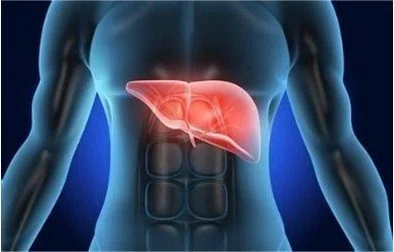
When the liver detoxifies harmful substances, it uses glutathione to bind with toxins, making them easier to eliminate from the body through urine or bile. Without adequate glutathione levels, the liver struggles to rid the body of these harmful substances resulting in a buildup of toxins in the body. This toxin buildup puts additional stress on the liver and can potentially lead to liver damage or disease.
How Glutathione Protects the Liver
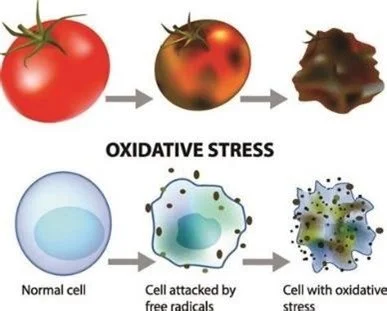
1. Antioxidant Protection: Every day, your liver is exposed to oxidative stress, which happens when free radicals (unstable molecules) damage healthy cells. This damage is linked to liver diseases like fatty liver disease, hepatitis, and cirrhosis. Glutathione’s role as an antioxidant means it neutralizes these free radicals, preventing oxidative damage to liver cells and helping the liver function smoothly.
2. Reducing Inflammation: Chronic inflammation is another common cause of liver damage. Whether from alcohol consumption, poor diet, or disease, inflammation can lead to liver scarring (fibrosis) over time. Glutathione helps reduce inflammation by regulating immune responses and controlling the release of inflammatory molecules, offering protection against long-term liver damage.
3. Supporting Liver Enzyme Function: The liver produces enzymes that help break down fats, proteins, and carbohydrates. These enzymes play a major role in digesting and metabolizing food. Glutathione supports the proper function of these enzymes, ensuring the liver works efficiently.
4. Maintaining Cellular Health: Glutathione helps maintain the health of liver cells by supporting their ability to repair themselves and fight off oxidative damage. This is critical because liver cells are frequently exposed to harmful substances and need to be constantly protected and renewed.
How Low Glutathione Levels Impact Liver Health
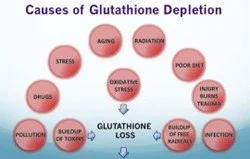
When glutathione levels are depleted, the liver becomes less effective at detoxifying the body and protecting itself from damage. Various factors can deplete glutathione, including:
Poor diet: A lack of key nutrients that support glutathione production, like sulfur-rich foods, can lead to low glutathione levels.
Chronic stress: Both physical and emotional stress can reduce glutathione levels, putting extra strain on the liver.
Aging: As we age, our natural glutathione production decreases, making it harder for the liver to perform optimally.
Environmental toxins: Pollution, alcohol consumption, and exposure to chemicals and persistent organic pollutants (POPs), can deplete glutathione levels and overwhelm the liver's detoxification abilities.

Low glutathione levels are linked to several liver conditions, such as non-alcoholic fatty liver disease (NAFLD), alcoholic liver disease, and hepatitis. In these conditions, the liver is under constant oxidative stress, and without enough glutathione, it struggles to heal or regenerate, leading to more severe liver damage.
Boosting Glutathione Levels Naturally
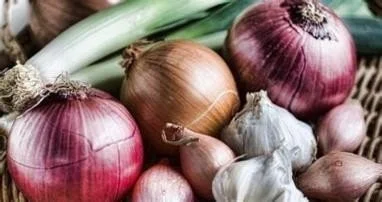

1. Eat Glutathione Boosting Foods: Sulfur-rich foods like garlic, onions, and cruciferous vegetables like broccoli, cauliflower, and brussels sprouts are essential for glutathione production.
Vitamin C and E: These vitamins help recycle glutathione and enhance its antioxidant effects. Foods like citrus fruits, strawberries, nuts, and seeds are rich in these nutrients.
Whey protein: If you are not sensitive to dairy, then consuming this high-quality protein source contains amino acids that support the production of glutathione.
2. Exercise Regularly: Moderate physical activity can naturally increase glutathione levels. Exercise reduces oxidative stress in the body, helping to replenish glutathione stores.
3. N-Acetylcysteine (NAC) Supplements: NAC is a supplement that provides cysteine, one of the key building blocks needed to produce glutathione. Research shows that NAC can increase glutathione levels and may be particularly helpful for liver detoxification and reducing inflammation.
4. Avoid Toxins: Limiting exposure to toxins like alcohol, smoking,
and environmental pollutants can help preserve glutathione levels. Drinking plenty of water and eating a clean, nutrient-rich diet also supports liver health.
5. Get Enough Sleep and Manage Stress: Chronic stress and poor sleep can lower glutathione levels. Focus on getting enough rest, practicing relaxation techniques, and reducing stress to support your body’s natural antioxidant defense system.
Conclusion
Glutathione is one of the most important molecules for liver health. By supporting detoxification, reducing oxidative stress, and promoting the repair of liver cells, glutathione ensures that your liver functions at its best. By boosting glutathione through a healthy diet, regular exercise, and mindful lifestyle choices, you can protect your liver and improve your overall well-being.
References:
Honda, Y., Kessoku, T., Sumida, Y., Kobayashi, T., Kato, T., Ogawa, Y., Tomeno, W., Imajo, K., Fujita,
K., Yoneda, M., Kataoka, K., Taguri, M., Yamanaka, T., Seko, Y., Tanaka, S., Saito, S., Ono, M., Oeda, S., Eguchi, Y., . . . Nakajima, A. (2017). Efficacy of glutathione for the treatment of nonalcoholic fatty liver disease: an open-label, single-arm, multicenter, pilot study. BMC Gastroenterology, 17(1). https://doi.org/10.1186/s12876-017-0652-3
Kaplowitz, N. (1981, December 1). The importance and regulation of hepatic glutathione. https://pmc.ncbi.nlm.nih.gov/articles/PMC2596047/
Kerksick, C., & Willoughby, D. (2005). The antioxidant role of glutathione and N-Acetyl-Cysteine supplements and Exercise-Induced oxidative stress. Journal of the International Society of Sports Nutrition, 2(2). https://doi.org/10.1186/1550-2783-2-2-38
Minich, D. M., & Brown, B. I. (2019, September 3). A review of dietary (phyto)nutrients for glutathione support. Nutrients. https://pmc.ncbi.nlm.nih.gov/articles/PMC6770193/
Noctor, G., Queval, G., Mhamdi, A., Chaouch, S., & Foyer, C. H. (2011). Glutathione. The
Arabidopsis Book, 9, 1–32. https://doi.org/10.1199/tab.0142
Pizzorno, J. (2014, February 1). Glutathione! https://pmc.ncbi.nlm.nih.gov/articles/PMC4684116/
