

L-Arginine: A Key Player in Heart Health
When we think about heart health, we tend to focus on exercise, diet, and lifestyle choices. But did you know that a simple amino acid, L-arginine, also plays a crucial role in keeping your heart healthy? Let’s explore how this powerhouse nutrient works, its interactions with other substances like L-lysine, and its intriguing link to viral activation.
What is L-Arginine?
L-arginine is an amino acid, which are the building blocks of protein. It’s classified as a "semi-essential" amino acid, meaning your body can usually produce enough on its own, but in certain conditions (like illness or stress), you might need more from your diet or supplements.
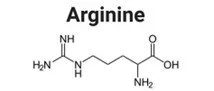
L-arginine is involved in several important processes in the body, one of the most notable being the production of nitric oxide. This molecule helps blood vessels relax and expand, improving blood flow. In this way, L-arginine directly impacts cardiovascular health by supporting healthy blood circulation and helping to lower blood pressure.
How L-Arginine Supports Heart Health
1. Improved Blood Flow: As L-arginine is converted into nitric oxide, it helps widen the blood vessels, which improves blood flow throughout the body. This is especially important for heart health, as it can reduce the strain on the heart by easing the flow of blood and lowering blood pressure.
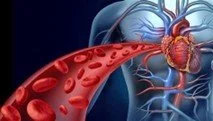
2. Reduced Blood Pressure: By relaxing the blood vessels, L-arginine helps reduce the amount of pressure needed to pump blood through the body. This can be beneficial for people with high blood pressure (hypertension), a condition that increases the risk of heart disease.
3. Enhanced Exercise Performance: Proper blood circulation is key to providing muscles with the oxygen and nutrients they need during exercise. L-arginine, by improving circulation, may help you perform better during physical activities, which in turn supports overall heart health.
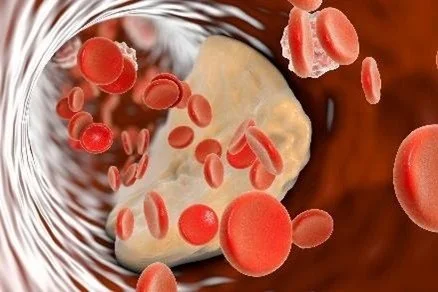
4. Reducing Plaque Build-Up: Healthy blood flow also means a reduced risk of plaque formation in the arteries, a condition known as atherosclerosis. Plaque can narrow the arteries and restrict blood flow, leading to heart disease or even heart attacks. Larginine’s role in keeping blood vessels relaxed helps reduce this risk.
The Connection Between L-Arginine and L-Lysine
L-lysine is another essential amino acid that your body needs for growth and tissue repair. Interestingly, L-arginine and L-lysine have a special relationship when it comes to supporting heart health and viral defense.
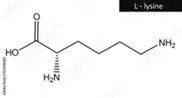
Synergy for Heart Health: Some studies suggest that when L-lysine and L-arginine are taken together, they may work synergistically to enhance heart health. L-lysine can help increase the availability of L-arginine in the body, allowing for more nitric oxide production and, by extension, better blood circulation.
Viral Activation: While L-lysine is often considered beneficial for supporting the immune system (especially against the herpes simplex virus), its relationship with L-arginine is more complex. In some cases, high levels of L-arginine can promote viral activation. Viruses like herpes, including cold sores or genital herpes, require L-arginine to replicate and grow. By consuming too much Larginine, you may inadvertently support viral activity, potentially leading to outbreaks. However, L-lysine steps in as a potential counterbalance. Lysine and arginine compete for absorption in the body, and higher levels of lysine can inhibit the replication of the herpes virus. This is why people with frequent outbreaks of herpes infections are often recommended to consume more L-lysine and limit L-arginine-rich foods, such as chocolate and nuts.

Conclusion: A Balancing Act
L-arginine is a vital amino acid that plays an important role in heart health by improving blood flow, reducing blood pressure, and supporting overall cardiovascular function. When combined with Llysine, it can have additional benefits for the immune system and even prevent viral outbreaks.
However, like all nutrients, balance is key. While L-arginine is beneficial for heart health, too much of it in the presence of certain viruses can potentially activate viral infections. If you’re considering taking L-arginine or L-lysine supplements, it’s always a good idea to consult with your healthcare provider, especially if you have a history of viral infections or heart disease. Additionally, research suggests that plant derived sources of L-arginine may provide protective effects on coronary heart disease whereas animal sources may cause negative outcomes.
By understanding the interactions between these amino acids and their impact on your body, you can make informed choices that support both your heart health and overall well-being.
References:
Bahadoran, Z., Mirmiran, P., Tahmasebinejad, Z., & Azizi, F. (2016). Dietary L-arginine intake and the incidence of coronary heart disease: Tehran lipid and glucose study. Nutrition & Metabolism, 13(1). https://doi.org/10.1186/s12986-016-0084-z
Kurhaluk, N. (2023). The Effectiveness of L-arginine in Clinical Conditions Associated with Hypoxia. 24(9). https://doi.org/10.3390/ijms24098205
Maria Cristina Pedrazini, Elizabeth Ferreira Martinez, Augusto, V., & Francisco Carlos Groppo. (2024). L-arginine: its role in human physiology, in some diseases and mainly in viral multiplication as a narrative literature review. Future Journal of Pharmaceutical Sciences,
10(1). https://doi.org/10.1186/s43094-024-00673-7
Pahlavani, N., Jafari, M., Sadeghi, O., Rezaei, M., Rasad, H., Rahdar, H. A., & Entezari, M. H. (2017). L-arginine supplementation and risk factors of cardiovascular diseases in healthy men: a double-blind randomized clinical trial. F1000Research, 3, 306. https://doi.org/10.12688/f1000research.5877.2
Pedrazini, M. C., da Silva, M. H., & Groppo, F. C. (2022). L‐lysine: Its antagonism with L‐arginine in controlling viral infection. Narrative literature review. British Journal of Clinical Pharmacology, 88(11), 4708–4723. https://doi.org/10.1111/bcp.15444
Salmani, M., Alipoor, E., Navid, H., Farahbakhsh, P., Yaseri, M., & Imani, H. (2021). Effect of larginine on cardiac reverse remodeling and quality of life in patients with heart failure. Clinical Nutrition, 40(5), 3037–3044. https://doi.org/10.1016/j.clnu.2021.01.044
Sudar-Milovanovic, Emina, et al. “Benefits of L-Arginine on Cardiovascular System.” Mini-Reviews in Medicinal Chemistry, vol. 16, no. 2, 11 Nov. 2015, pp. 94–103, https://doi.org/10.2174/1389557515666151016125826.
