

Shifting from Consumerism to Gratitude
In today’s world, we’re surrounded by messages of constant consumption. New products, flashy advertisements, and the pressure to always have the latest and greatest fill our lives. But have you ever stopped to wonder: What toll does our behavior take on the Earth?

The Toll of Consumerism
The article “Psychology of Consumerism and Its Impact on Environmental Damage” explores how consumer habits often perpetuate environmental harm. Modern consumerism is driven by psychological factors like instant gratification, social comparison, and the need for novelty. These behaviors fuel our desire to consume more, often without considering the long-term consequences.

The result? We live in a culture of overconsumption, where fast fashion, single-use products, and endless waste are the norm. We mindlessly purchase items, rarely stopping to think about where they come from, how they were made, or where they will go when we're done with them. This disconnect from the Earth, its processes, its resources, and its limits, contributes to the climate crisis in profound ways.
The Power of Gratitude
Robin Wall Kimmerer’s Braiding Sweetgrass offers a refreshing lens through which to view our relationship with the planet. In her chapter “Allegiance to Gratitude,” Kimmerer invites us to shift our mindset from one of ownership and entitlement to one of gratitude and reciprocity. This profound perspective challenges the typical view of nature as something to use and take from. Instead, she suggests we should view nature as a community we belong to, and to which we owe respect and thanks.
Kimmerer introduces the concept of the Thanksgiving Address, an Indigenous tradition where people give thanks to the Earth for all the gifts it provides. This shift in perspective becomes a regular practice, a way of living in constant recognition of our interdependence with the natural world.

Imagine if, from a young age, we were taught to live with this kind of gratitude toward the world around us. Instead of viewing the Earth as a resource to be exploited, we would see it as a family to care for, one that nourishes us and deserves our respect in return. She highlights that this practice of gratitude could fundamentally change the way we interact with the planet. Rather than taking from it without thought, we would give back in small but meaningful ways.
Connecting Gratitude with Action

So, how can we begin to bridge this divide between gratitude for the Earth and the habits of consumerism that harm it? Kimmerer’s teachings, paired with the research on consumer behavior, suggest that a shift in mindset is key. When we cultivate a deeper appreciation for the Earth and all it provides, we naturally begin to make more mindful choices. Here are a few ways we can apply this shift in our daily lives:
Support Sustainable Businesses: Choose companies that prioritize ethical production and environmental stewardship. Whether it’s clothing, food, or technology, look for brands that align with values of sustainability and respect for the Earth.
Practice Mindful Consumption: Before making a purchase, ask yourself: Do I truly need this? Can I repair, reuse, or repurpose something I already own? This simple question can help reduce unnecessary waste.
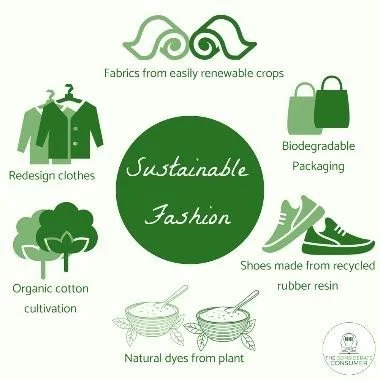


Embrace a Slower Pace: Instead of constantly chasing the next thing, slow down and appreciate the resources you already have. Whether it’s a cozy home or a favorite jacket, take a moment to reflect on how these things were made and the energy it took to create them.
Engage in Community Actions: Share ideas and practices around sustainability with your community. Whether through local events, group projects, or simple conversations, fostering a culture of gratitude and respect for nature can have a ripple effect.
Together, We Can Change the Story
The message from Kimmerer’s Allegiance to Gratitude and the article on consumerism is clear: our habits, rooted in overconsumption, are harming the Earth, but we have the power to change. It starts with acknowledging the connection between all living things and recognizing the abundance that the Earth offers us. Gratitude, as a practice, has the potential to shift our consumer-driven culture into one of sustainability, care, and respect.
Together, we can reframe our relationship with the Earth, not as a place to exploit, but as a community to cherish. It’s time to make an allegiance to gratitude our new foundation, one that guides our actions, our choices, and our commitment to preserving the planet for generations to come.
References:
Baek, G., & Jin, S. (2023). Psychology of consumerism and its impact on environmental damage. Journal of Student Research, 12(4). https://doi.org/10.47611/jsrhs.v12i4.5914
Kimmerer, R. W. (2013). Braiding Sweetgrass. In Braiding Sweetgrass: Indigenous Wisdom, Scientific Knowledge and the Teachings of Plants. Milkweed Editions.
