

Simple Ways to Reduce Your Cancer Risk with Natural Foods and Healthy Habits
Introduction
Cancer is often a scary word, but did you know there are simple, natural ways to help prevent it? While genetics play a role in cancer, many lifestyle factors like what we eat, how we live, and how we manage stress can make a big difference in reducing our chances of getting cancer. Let’s explore how natural foods and healthy habits can play a big role in cancer prevention.
Why Your Lifestyle Matters for Cancer Prevention
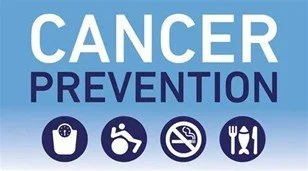
Cancer isn’t something that happens overnight. It develops over time through things like DNA damage, inflammation, and unhealthy cells. But the good news is, there’s a lot we can do to lower our risk. A healthy lifestyle that includes eating the right foods, getting exercise, and managing stress can all make a difference.
Foods That Help Protect Against Cancer
Imagine a way of eating that not only fuels your body but also strengthens your natural defenses against cancer. Research over the past few decades has shown that the right foods combined with key nutrients and lifestyle habits can significantly reduce the risk of developing certain types of cancer.
Tips for an anti-cancer diet:
• Consume an adequate yet not excessive amount of calories
• Eat lots of colorful plant foods – Aim for 10 or more servings of vegetables and 4+ servings of fruits daily, with an emphasis on cruciferous veggies (like broccoli, kale, cauliflower, cabbage) and allium family foods (like garlic and onions) which are rich in compounds that help your body neutralize cancer-causing agents.
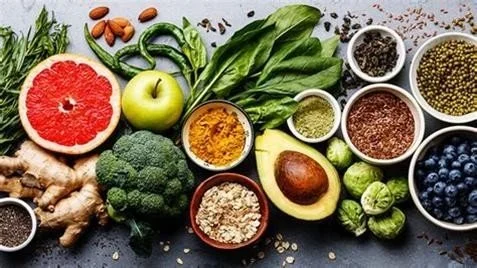
• Add berries to your plate for a potent dose of antioxidants that repair and protect your cells and neutralize free radicals
• Whole, high-fiber foods - Fiber helps your body detox naturally and supports a healthy gut, which is closely linked to immune strength.
• No refined sugars or white flour - These spike inflammation and can feed unwanted cell growth.
• Healthy fats only - Eliminate red meat, and processed oils. Focus on a balanced intake of omega-3 and omega-6 fats, including sources like flaxseed, walnuts, and DHA (from algae or fish oil). Be careful when cooking so as not to allow oils to go past their smoke point and limit intake of nitrates in smoked or cured meats.
• Spices with healing power - Everyday spices like turmeric (curcumin) and cloves are incredibly powerful. Turmeric helps fight inflammation and has been shown to slow the growth of cancer cells. Cloves are packed with antioxidants that protect your cells from damage.
• A touch of red wine or grape juice - In moderation, these can offer a natural compound called resveratrol, which has been shown to help block the growth of cancer cells.
• Superfoods for hormone balance - Flaxseed is a gentle source of phytoestrogens, which may protect against hormone-related cancers like breast and prostate cancer.
Key Nutrients
A few key nutrients can amplify your body’s ability to protect and repair:
➢ Selenium (200 mcg/day) for DNA repair and immune health
➢ Vitamin B12 (1,000 mcg/day) in its active form (methylcobalamin)
➢ Folate from dark leafy greens
➢ Vitamin D from sunshine or a 1,000 IU daily supplement.
➢ Antioxidants & phytochemicals - These natural plant compounds help protect your cells from damage. Get them from fresh, whole fruits and vegetables (especially those rich in vitamins C, E, β-carotene, and chlorophyll).
➢ Digestive support - Probiotics (from fermented foods) and digestive enzymes help your body absorb nutrients and keep inflammation in check.
➢ Superfoods for hormone balance - Flaxseed is a gentle, natural source of phytoestrogens, which may help protect against hormone-sensitive cancers.
When all of these elements come together, they create a powerful, synergistic effect. You're not just eating well, you’re giving your body the tools it needs to fight, heal, and protect itself naturally.
Healthy Habits for a Cancer-Free Lifestyle
It’s not just about what you eat. Here are some other important habits to help lower your cancer risk:
Exercise: Moving your body for at least 30 minutes a day once perspiration begins can lower inflammation and help your immune system fight off harmful cells.
Stress Less: Chronic stress weakens your immune system, so try to take time for things that help you relax like yoga, meditation, a breathing practice, or just taking a walk. Having a positive attitude and exercising gratitude can also make a difference.

Sleep Well: Aim for 8 hours of good sleep each night. Sleep is when the immune system is most active and helps your body repair itself and stay strong.

Avoid Toxins: Stay away from things like smoking, too much alcohol, and environmental chemicals that can increase cancer risk. (Other environmental factors linked to certain cancers includes pesticides, herbicides, heavy metals, asbestos, solvents, and possibly exposure to electrical power lines. Estrogen and oral contraceptives have been linked to an increased risk of breast cancer.)
Natural Compounds for Cancer Prevention: Simple Ways to Boost Your Health
When it comes to preventing cancer, certain natural compounds found in herbs and plants have shown promising effects. While these are not everyday foods, they can be part of a holistic approach to cancer prevention. Here are three key natural substances that can make a difference:
Salvianolic Acid B (from Salvia miltiorrhiza): Known for its ability to promote cancer cell death, Salvianolic Acid B works by boosting oxidative stress and regulating energy metabolism in the body. While you won’t find this compound in your regular diet, you can access it through supplements or herbal remedies.
Astragaloside IV (from Astragalus membranaceus): Astragaloside IV is a powerful compound found in Astragalus root, which has been used in traditional medicine for cancer prevention. It supports the immune system and may enhance the effects of other treatments. Look for Astragalus supplements or teas to incorporate this into your routine.
Aconitine (from Aconitum species): Aconitine is a potent compound found in the Aconitum plant. While it’s not commonly used in food due to its toxicity, it has shown anticancer potential when used in controlled, medicinal doses.
Conclusion
It’s clear that natural foods and healthy habits can play a big role in preventing cancer. By eating a plant-based diet rich in fruits, veggies, and healthy fats, getting regular exercise, managing stress, and avoiding toxins, you’re setting yourself up for a healthier life. Start small, and over time, these changes can make a big difference in your health.
References:
Amin, A. R. M. R., Kucuk, O., Khuri, F. R., & Shin, D. M. (2009). Perspectives for Cancer Prevention With Natural Compounds. Journal of Clinical Oncology, 27(16), 2712–2725. https://doi.org/10.1200/jco.2008.20.6235
D'Andre, S. D., Ellsworth, L. L., Kirsch, J. L., Montane, H. N., Kruger, M. B., Donovan, K. A., Bronars, C. A., Markovic, S. N., & Ehlers, S. L. (2024). Cancer and Stress: Understanding the Connections and Interventions. American journal of lifestyle medicine, 15598276241304373. Advance online publication. https://doi.org/10.1177/15598276241304373
Donaldson M. S. (2004). Nutrition and cancer: a review of the evidence for an anti-cancer diet. Nutrition journal, 3, 19. https://doi.org/10.1186/14752891-3-19
Magnon, C. (2024). Cancer Builds a Noxious Partnership with Psychologic Stress. Cancer Research, 84(7), 956–957. https://doi.org/10.1158/00085472.can-24-0628
Mali, S. B. (2023). Cancer treatment: Role of natural products. Time to have a serious rethink. Oral Oncology Reports, 6, 100040. https://doi.org/10.1016/j.oor.2023.100040
Murray, M. T., & Pizzorno, J. (2012). The Encyclopedia of Natural Medicine Third Edition. Simon and Schuster.
Samuel, S. M., Kubatka, P., & Büsselberg, D. (2021). Treating Cancers Using Nature's Medicine: Significance and Challenges. Biomolecules, 11(11), 1698. https://doi.org/10.3390/biom11111698
Wang, H., Khor, T. O., Shu, L., Su, Z. Y., Fuentes, F., Lee, J. H., & Kong, A. N. (2012). Plants vs. cancer: a review on natural phytochemicals in preventing and treating cancers and their druggability. Anti-cancer agents in medicinal chemistry, 12(10), 1281–1305. https://doi.org/10.2174/187152012803833026
Zia-Ul-Haq, M., Marc, R. A., & Riaz, M. (2023). Editorial: Natural products, medicinal foods and complementary and alternative medicine as cancer-preventive agents. Frontiers in pharmacology, 14, 1232249. https://doi.org/10.3389/fphar.2023.1232249
(2020, March 30). A holistic approach to cancer: The unseen influence of the unconscious mind. Research Outreach. https://researchoutreach.org/articles/holistic-approach-cancer/
