

What Forests Can Teach Us
In the whirlwind of everyday life, the quiet presence of a forest invites us to slow down and listen. While forests are often viewed as natural resources, they may also serve as teachers.
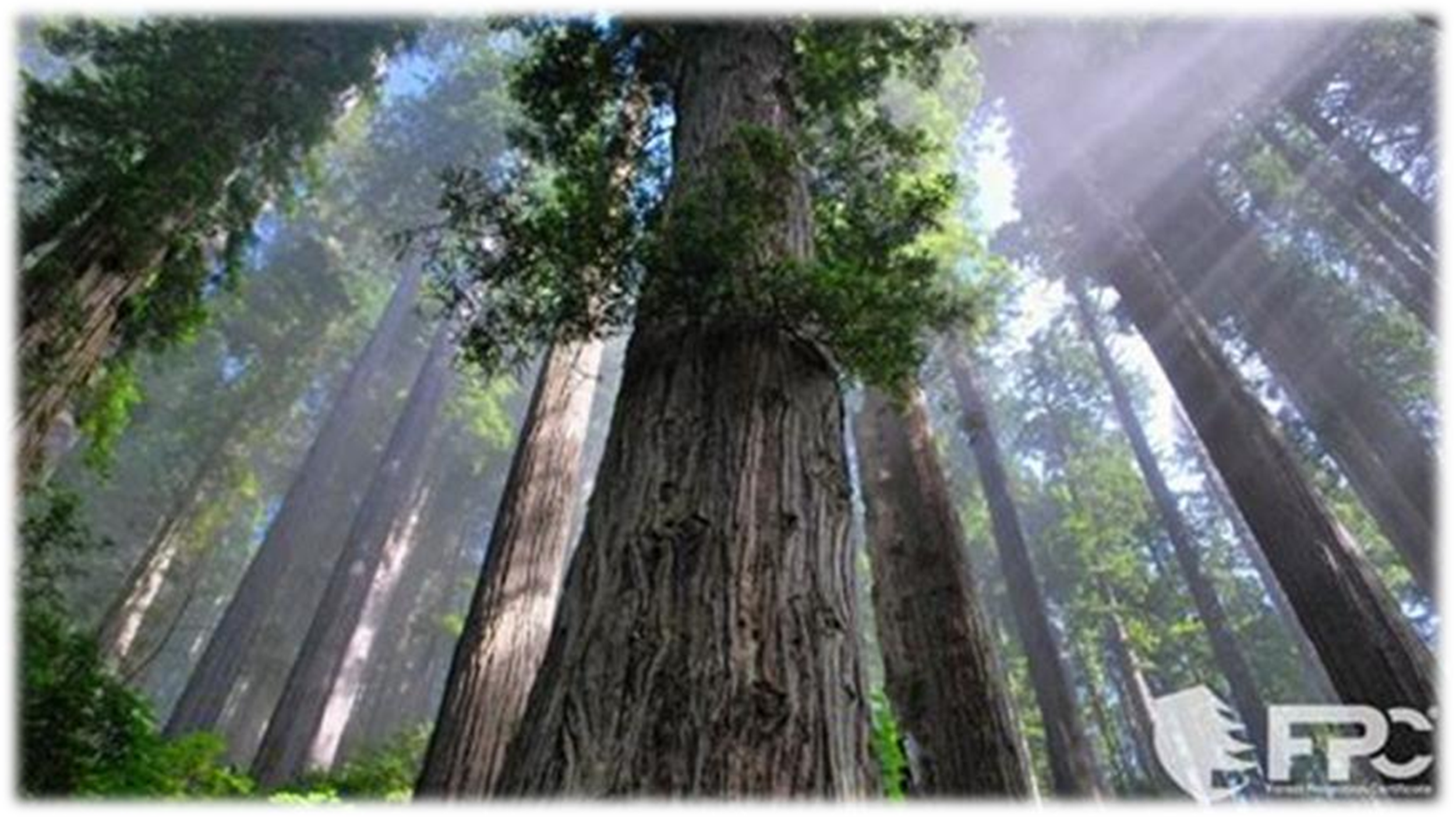
Robin Wall Kimmerer, botanist and member of the Citizen Potawatomi Nation, invites us to sit and learn in the forest’s classroom. In her book Braiding Sweetgrass, she offers a vision of deep ecological respect grounded in Indigenous knowledge. Two chapters in particular, “Sitting in a Circle” and “Old-Growth Children”, help reframe how we understand forests, learning, and our place in the natural world.
Sitting in a Circle
In “Sitting in a Circle,” Kimmerer describes a gathering of students and elders learning together in a circle. This shape reflects a worldview in which everyone contributes, listens, and belongs. The circle reminds us that knowledge doesn’t just come from the top down. It moves through stories, relationships, and lived experience.
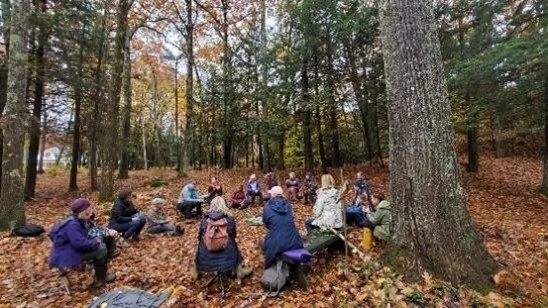
This circular model of learning mirrors the way healthy ecosystems work. Forests thrive through mutual aid by trees sharing nutrients through underground fungal networks, protecting one another from pests, and creating shared microclimates. It’s the ecological equivalent of community care.
Old-Growth Children
“Old-Growth Children” explores what it means to grow up with the forest as your teacher. Kimmerer takes her students to a grove of ancient hemlocks, trees that have stood for centuries. They are resilient not because they dominate, but because they cooperate.
Old-growth forests offer more than carbon storage. They are complex, interdependent communities that support countless forms of life. Kimmerer invites us to ask: What if we raised a generation of “old-growth children”, people who learn patience, humility, and reciprocity from the trees?
Trees Are Talking
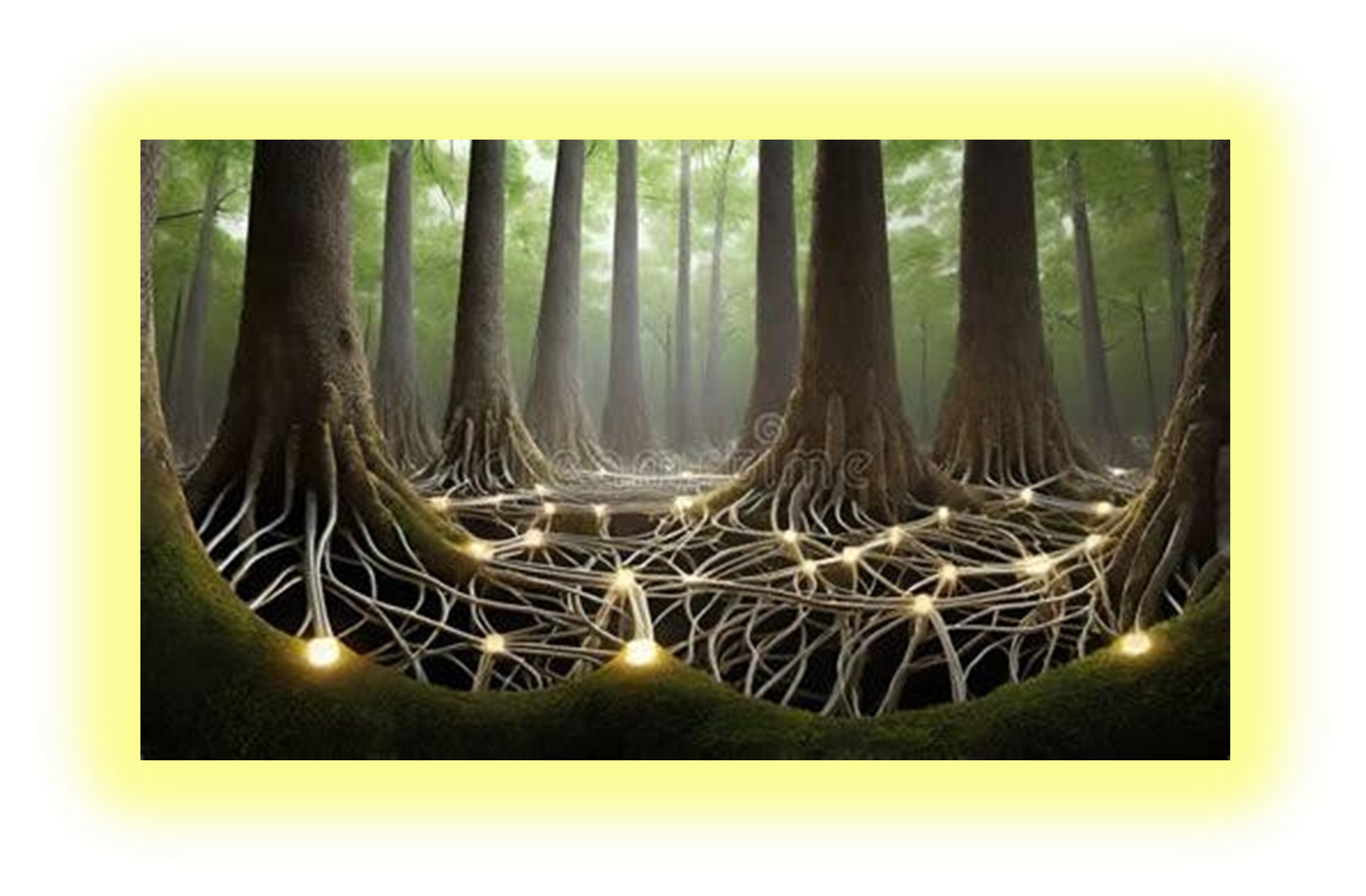
The ideas in Braiding Sweetgrass find stunning real world parallels in the documentary Intelligent Trees (2016). Featuring forester Peter Wohlleben and ecologist Suzanne Simard, the film uncovers how trees use these underground fungal networks, the “Wood Wide Web”, to communicate, share nutrients, and protect one another.
It’s a visual, scientific affirmation of something Indigenous knowledge has taught for generations: the forest is not a collection of individuals, but a living community.
Forests Fight Climate Change
Modern research supports this wisdom. A 2020 article in Frontiers in Forests and Global Change shows that natural and planted forests can store vast amounts of carbon, but not all forests are created equal. Mature, biodiverse forests are especially effective at stabilizing ecosystems and regulating climate.
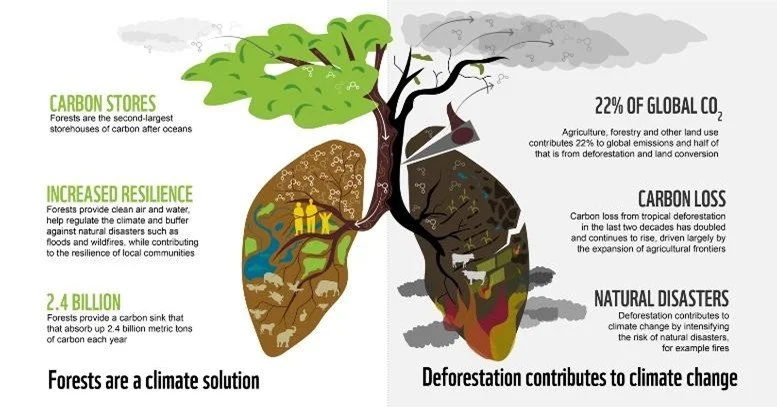
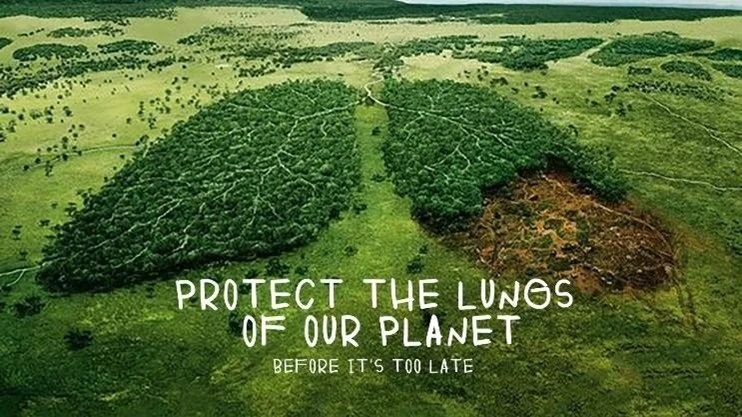
Another study in Nature Climate Change stresses that forests also reduce risks from heatwaves, flooding, and biodiversity loss. Forest protection, then, is not just about carbon. It’s about preserving balance, shelter, and resilience, for all life on Earth.
How You Can Help
You don’t have to be a scientist or policymaker to make a difference. Here are a few everyday actions that collectively protect forests and promote ecological reciprocity:
1. Use Reusable Shopping Bags

Skip the paper (and plastic) bags. Paper bags may seem eco-friendly, but they often come from virgin tree pulp and require energy-intensive processing. A sturdy reusable bag, especially one made from recycled or organic materials, reduces waste and demand for tree-based products. Remember to reuse it often to make the impact count!
2. Rethink Paper and Wood Use
Buy less paper, opt for digital receipts, use recycled paper, and avoid overconsumption of tissue, napkins, and paper towels. When purchasing wood products, look for FSC-certified (Forest Stewardship Council) sources.
3. Plant Native Trees Mindfully
Planting trees is powerful, but it matters what, where, and how. Native species support biodiversity and adapt better to local conditions. Join or support groups like One Tree Planted or local urban forestry programs that take an ecological, community-based approach.
4. Advocate for Old-Growth Forests
Write or call your local representatives. Ask them to support legislation that protects mature forests, bans clear-cutting in sensitive ecosystems, and funds reforestation in degraded areas.
5. Learn and Share
Watch documentaries like Intelligent Trees, read authors like Robin Wall Kimmerer and Suzanne Simard, and share what you learn. Raising awareness shifts culture and culture drives change.
6. Join or Donate to Forest Organizations
Groups like Rainforest Action Network, Forest Stewardship Council, The Nature Conservancy, and Amazon Watch work globally to defend forests through policy, reforestation, and community-led conservation. Even small donations or volunteer hours help.
7. Support Indigenous Land Stewardship
Many of the world’s most biodiverse and carbon-rich forests exist on Indigenous lands. Support organizations like the Indigenous Environmental Network, Nia Tero, or local tribal land trusts working to preserve traditional ecological practices.
References:
Dorcon Film. (2019, November 30). Watch Intelligent Trees Online | Vimeo On Demand. Vimeo. https://vimeo.com/ondemand/intelligenttrees
Erbaugh, J. T., Pradhan, N., Adams, J., Oldekop, J. A., Agrawal, A., Brockington, D., Pritchard, R., & Chhatre, A. (2020). Global forest restoration and the importance of prioritizing local communities. Nature Ecology & Evolution, 4, 1–5. https://doi.org/10.1038/s41559-020-01282-2
Kimmerer, R. W. (2013). Braiding Sweetgrass. In Braiding Sweetgrass: Indigenous Wisdom, Scientific Knowledge and the Teachings of Plants. Milkweed Editions.
Kreye, M., Neupane, K., & Widderich, S. (2025). The Future of Forests under a Changing Climate: Opportunities and Challenges. Psu.edu. https://extension.psu.edu/the-future-of-forests-under-a-changingclimate-opportunities-and-challenges
Palmer, L. (2021). How trees and forests reduce risks from climate change. Nature Climate Change, 11(5), 374–377. https://doi.org/10.1038/s41558-021-01041-6
Waring, B., Neumann, M., Prentice, I. C., Adams, M., Smith, P., & Siegert, M. (2020). Forests and Decarbonization – Roles of Natural and Planted Forests. Frontiers in Forests and Global Change, 3(1). https://doi.org/10.3389/ffgc.2020.00058
